


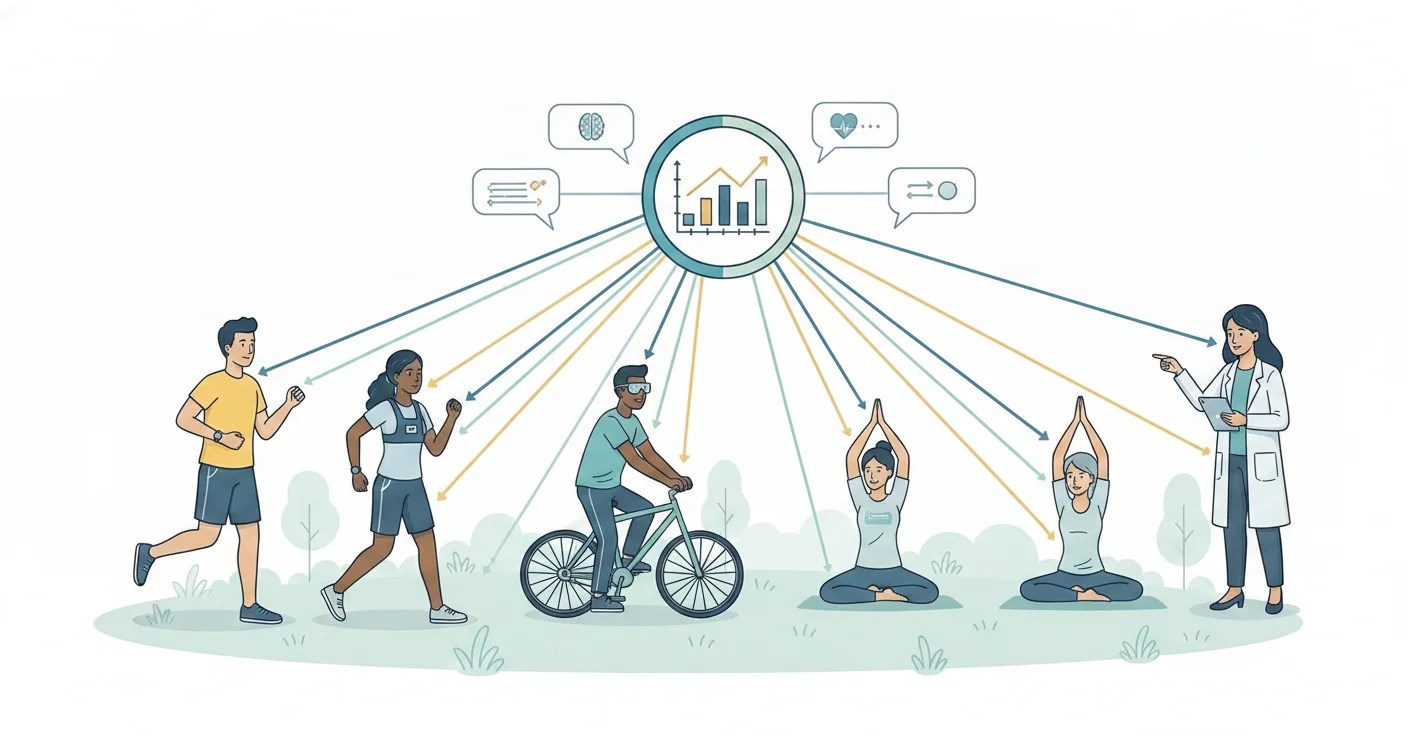
Real-world evidence is shifting from buzzword to backbone of modern drug development and care, and wearable devices are one of the most powerful engines behind that shift. They turn everyday life into high-resolution data, giving researchers and clinicians a view of health that traditional site visits simply can't match.
Why real-world evidence matters
Real-world evidence (RWE) is generated from data collected outside the tight confines of traditional randomised trials, using sources like electronic health records, claims, registries, and patient-generated data. When analysed well, RWE helps answer questions about how interventions work in routine practice, across diverse populations and care settings.
For sponsors, regulators, and clinicians, this unlocks several advantages:
- Understanding effectiveness, not just efficacy, across real patient populations.
- Monitoring safety signals and long-term outcomes at a scale that traditional trials rarely reach.
- Supporting label expansions, HTA submissions, and value-based contracts with evidence rooted in everyday care.
Wearables and connected sensors are rapidly becoming some of the most important real-world data (RWD) streams feeding this evidence ecosystem.
The unique power of wearables
Wearables — smartwatches, fitness trackers, patches, home sensors, and medical-grade devices — offer continuous, passive, ecologically valid data from people's real lives rather than isolated clinic snapshots.
Common data types from wearables include:
- Activity and mobility (steps, gait, time spent walking, climbing stairs, sedentary time).
- Cardiovascular and physiological signals (heart rate, HRV, respiration, temperature, oxygen saturation).
- Sleep and recovery (sleep duration, stages, fragmentation, nocturnal heart rate).
- Disease-specific markers (e.g. arrhythmias, seizure activity, respiratory events) via specialised sensors.
These devices are already being used to monitor chronic conditions outside hospital settings, often with promising signals for improved outcomes or earlier detection of deterioration. A University of Bristol study, for example, is testing whether home sensors can predict flare-ups in chronic lung disease before they become severe enough to need hospital treatment — exactly the kind of early-warning signal a periodic clinic visit structurally cannot catch. Separately, research using wearable-based accelerometry to analyse circadian rhythm has been proposed as a digital biomarker of ageing and healthspan, illustrating how continuous passive data can surface a meaningful signal that no single clinic measurement would reveal. While the evidence base is still maturing, especially in randomised trials, the direction of travel is clear: continuous digital measures can complement traditional endpoints and make studies more sensitive to meaningful changes in patients' lives.
Connectivity: from devices to usable real-world data
The real value of wearables lies not just in the sensors themselves, but in their connectivity. Modern digital health platforms can integrate data from multiple third-party wearables, home sensors, and smartphone apps into a single environment using APIs, SDKs, and standards like REST and FHIR.
Well-designed platforms typically provide:
- Automated data flows: Direct, near real-time data pushes from wearables into secure cloud environments, minimising manual handling and transcription errors.
- Standardisation and harmonisation: Mapping diverse device outputs into consistent data structures and units ready for analysis.
- Event-driven alerts and monitoring: Rules and algorithms that flag deviations — like reduced activity, abnormal heart rate, or disrupted sleep — so study teams can respond quickly.
For clinical trials and RWE studies, this connectivity enables more decentralised designs, fewer on-site visits, and better adherence tracking, while keeping investigators focused on decision-critical signals rather than raw data plumbing.
Two examples of where this is already landing
Two recent developments show this moving from research infrastructure into practice. In the US, the FDA cleared a wearable sensor from Abbott for capturing diabetic ketoacidosis — a wearable-derived signal being recognised for a specific, clinically actionable safety endpoint, not just as a wellness feature. Separately, a real-world validation study of Huawei wearable technology for hypertension risk screening is underway in Malaysia, testing whether consumer-grade devices can perform a genuine screening function at population scale, outside a research clinic entirely. Neither example is a proof of concept anymore — both are validation exercises for wearables doing real clinical or public health work.
What this unlocks for trials and RWE studies
Bringing wearables into RWE and trial designs opens up several concrete opportunities:
- Richer endpoints: Digital biomarkers derived from continuous signals (like gait speed, HRV, or sleep regularity) can provide sensitive measures of function and response, particularly in chronic and neurological conditions.
- Improved patient experience: Passive, at-home monitoring reduces the burden of frequent site visits, making participation easier and more inclusive.
- Earlier signal detection: Subtle changes in activity, physiology, or sleep can flag deterioration or side effects days or weeks before traditional measures would.
- More representative data: Because data is collected in everyday environments, it better reflects how people actually live, work, and respond to therapies in the real world.
This is exactly the kind of high-frequency, real-world data that regulators and HTA bodies are increasingly interested in as they explore how RWE can support decision-making alongside traditional trial evidence.
Navigating the challenges
The promise of wearables and RWE comes with challenges that serious teams have to confront:
- Data quality and validation: Not all consumer wearables are created equal, and establishing accuracy, reliability, and validation for specific endpoints is essential. A structured statistical framework for validating novel digital measures — covering reliability evaluation methods specifically — is a useful reference point for teams building this into a study design rather than treating validation as an afterthought.
- Equity and bias: Device performance can vary across skin tones, body types, and usage patterns, and data streams can be skewed toward people with access to certain technologies.
- Privacy, consent, and governance: Continuous monitoring raises complex questions about what is collected, how long it is stored, and who can access it.
- Analysis and interpretation: High-frequency time-series data demands robust analytics, often involving machine learning, to turn raw streams into interpretable, clinically meaningful signals.
Frameworks for high-quality RWE and digital health technologies are evolving quickly, with guidance emerging from regulators, HTA agencies, and scientific consortia on how to design, validate, and report these studies.
A connected future for RWE
We are moving toward a world where the most important evidence about health does not come only from occasional clinic visits, but from the continuous, real-world context of people's everyday lives. Wearables and connected devices sit at the heart of this shift, creating dense, longitudinal data streams that can illuminate outcomes, safety, and quality of life in ways that static measures never could.
For anyone working in trials or life sciences, the question is no longer whether to engage with wearables and RWE, but how to do it responsibly: with robust validation, proportionate governance, and study designs that put patients' lived experience at the centre.
References
- Clinical Validation of Novel Digital Measures: Statistical Methods for Reliability Evaluation
- Circadian rhythm analysis using wearable-based accelerometry as a digital biomarker of aging and healthspan
- Testing whether home sensors can predict flare-ups in chronic lung disease
- Real-World Validation of Huawei Wearable Technologies for Hypertension Risk Screening in Malaysia
- FDA greenlights Abbott's wearable sensor for capturing diabetic ketoacidosis